AboutContactPrivacy PolicyAffiliate DisclosureTerms of Use
Hot News

Rust-Oleum Stops Rust Gloss Black Spray Paint Review: Protecting Metal the Easy Way

Disclosure: This post contains affiliate links. If you buy through them, we may earn a commission at no extra cost to you. This review is based on research, manufacturer specs and published owner and expert feedback, not hands-on testing.

Rust-Oleum Stops Rust Gloss Protective Enamel spray cans on a shelf

Rust-Oleum Stops Rust Gloss Protective Enamel spray cans. The white label and yellow Stops Rust seal are the same across colors. Image: Mike Mozart via Flickr, CC BY 2.0

Metal rusts. Garden chairs, tool boxes, railings, and bike frames all turn orange given enough time and moisture. Rust-Oleum Stops Rust is a spray enamel made to cover metal and keep the rust from coming back, and the gloss black can is one of the most common cans in the workshop.

We looked at how it applies, how well it holds up, and what you should do to get a good finish.

What You Get

The can holds 12 ounces of oil-based alkyd enamel in a spray. It is sold in many colors and finishes, including gloss, satin, and flat. The 7779830 is the gloss black version. The label says it protects against rust and can be applied directly to metal, including lightly rusted surfaces after the loose rust has been removed.

Rust-Oleum also sells a Stops Rust line in brush-on and spray versions, and a separate rust converter. Make sure the can you order is the spray enamel, since similar names cover different products.

Applying It

A good result depends on preparation. Scrape or wire-brush off loose rust and flaking paint. Wipe the surface to remove oil and dirt. Shake the can for a full minute after you hear the ball rattle, then spray from about 10 to 16 inches away in light, overlapping coats.

Two thin coats look better than one heavy coat. Heavy coats run and sag. Let the first coat dry to the touch, usually in about 20 minutes, before applying the second. The paint is dry to handle in about an hour, and fully hard in a day or more depending on temperature and humidity.

Spray in a ventilated area and wear a mask rated for paint vapors. Keep it off nearby surfaces, because overspray travels. Cardboard or a drop cloth under the work keeps the floor clean.

Rust-Oleum Stops Rust spray cans in tan and metallic colors

The same line in tan and metallic finishes. Gloss black, the color most people buy, uses the same label. Image: Mike Mozart via Flickr, CC BY 2.0

How It Looks and Holds Up

The gloss black finish is smooth and deep when applied well. It hides minor surface flaws and gives a clean, finished look to old metal. On fences, railings, and furniture, it can make worn pieces look new again.

Durability is good for the price. The paint holds up to light weather and handling, and it resists chipping better than cheap paint. For outdoor pieces that face strong sun and rain every day, expect to touch it up every few years.

The finish is not as hard as powder coating or two-part paint. It can scratch when hit, and chips will let rust return at the edge. Touch up small chips quickly to keep the protection.

Blue and white Rust-Oleum Stops Rust spray paint cans lined up

Cans in blue and white. The color of the cap and the paint inside changes, but the formula is the same. Image: Mike Mozart via Flickr, CC BY 2.0

Where It Falls Short

The product is not magic on heavily rusted metal. Thick, scaly rust needs to be removed first, or the paint will flake with it. For rust that has eaten through the metal, paint cannot fix it.

The spray also takes practice. A fresh can sprays evenly, but near the end the spray can sputter. Tip the can upside down and spray for a second after each job to clear the nozzle, and the can will work next time.

Finally, the smell is strong, and the can is flammable. Keep it away from open flames, and let the work air out before bringing it indoors.

Tips for a Clean Finish

Temperature and humidity matter. Paint when the air is between 50 and 90 degrees Fahrenheit and the humidity is low. Cold weather slows the cure and can cause a cloudy finish. A damp day can trap moisture under the paint and cause bubbles.

Hang small parts from a wire so you can reach every side, and spray in a sweeping motion that starts before the part and ends after it. That avoids heavy spots at the start and end of each pass.

If you want extra protection, add a coat of clear enamel on top. It adds a harder surface and gives a deeper shine. Let the color coat cure for a day first, so the clear coat does not wrinkle it.

Who Should Buy It

If you restore old tools, repaint patio furniture, or protect metal gates and tool boxes, this is a good value. It is easy to find, easy to use, and priced for general work.

If you are painting something that gets heavy wear, like a vehicle frame or a work bench top, look at a harder coating. For most home projects, the Stops Rust enamel is plenty.

Pros and Cons

Pros

  • Applies directly to metal, including lightly rusted surfaces
  • Smooth, deep gloss finish
  • Good coverage for the price
  • Available in many colors and finishes
  • Easy to find in most stores

Cons

  • Needs surface prep for best results
  • Not as hard as powder coating
  • Strong smell and flammable
  • Spray can sputter near the end

Verdict

Rust-Oleum Stops Rust Gloss Black is a dependable can for protecting and refreshing metal. With proper prep and two thin coats, it gives a clean look and solid protection.

For garden furniture, railings, tools, and small projects, it is a practical and affordable choice.

View at Amazon

WD-40 Multi-Use Product Review: Is the Famous Blue and Yellow Can Still Worth It?

Disclosure: This post contains affiliate links. If you buy through them, we may earn a commission at no extra cost to you. This review is based on research, manufacturer specs and published owner and expert feedback, not hands-on testing.

Row of WD-40 Multi-Use Product cans with red Smart Straw caps on a store shelf

WD-40 Multi-Use Product cans with the red Smart Straw cap. The yellow and blue label is hard to miss. Image: Mike Mozart via Flickr, CC BY 2.0

Almost everyone owns a can of WD-40. It sits under a sink or on a garage shelf, and it comes out when something squeaks or sticks. The can has been around for decades, and its fans claim it fixes nearly anything. We looked at the 12-ounce Smart Straw version to see what it really does and what it does not.

The short answer is that it is a great product when used for what it was made for, and a poor one when used as a lubricant for everything.

What You Get

The Original Formula WD-40 Multi-Use Product comes in a 12-ounce aerosol can with a Smart Straw attached to the cap. The straw flips up for a narrow, precise stream or can be flipped to the side for a wide spray. The older design used a loose red straw that always got lost, so the attached straw is a real improvement.

The name stands for Water Displacement, 40th formula. The product was made to displace moisture and prevent rust. Over time it became a household name for loosening stuck parts and quieting squeaks.

What It Does Well

WD-40 is good at loosening rusty bolts and stuck parts. Spray it on a seized nut, wait a few minutes, and the nut often turns. It cleans light grease and adhesive from surfaces and removes stickers and tape residue. It displaces moisture, so spraying it on a wet tool or a damp electrical contact helps dry it out.

It also protects bare metal from rust for a short time. A thin coat on hand tools, saw tables, and garden shears keeps surface rust away during storage. For a drawer of tools in a humid shed, it is a handy option.

On door hinges, window tracks, and squeaky hardware, it quiets the noise right away. The effect is quick, which is why people love it.

Close view of the WD-40 label showing Sprays 2 Ways

A close view of the label, which advertises the Smart Straw that sprays two ways. Image: Mike Mozart via Flickr, CC BY 2.0

What It Does Not Do Well

Here is where the myth breaks down. WD-40 is not a long-term lubricant. The product is mostly a light solvent with a small amount of oil. It evaporates over time, and the squeak returns. For bike chains, door locks, and sliding parts that need lasting lubrication, a dedicated lube works better.

It is also not a good choice for some surfaces. On rubber or certain plastics, it can cause damage over time. On a bike chain, it attracts dirt. In a lock cylinder, it can gum up the pins over time. Use graphite or a lock lubricant there.

On a paintable surface, remove the residue first. Paint will not stick to an oily surface, and the oil spreads easily.

WD-40 cans with Smart Straw lined up on a hardware store shelf

The same cans from the front. The straw clips to the cap for a narrow stream or flips up for a wide fan. Image: Mike Mozart via Flickr, CC BY 2.0

Safety and Handling

The can is flammable, so keep it away from sparks, open flames, and hot surfaces. Use it in a ventilated space, and do not spray it on a hot engine. Wear eye protection when spraying overhead, since the fine mist can drift.

Keep it away from children. The label warns about inhalation and skin contact. Wash your hands after use, and store the can in a cool place.

Better Ways to Use It

Spray a short burst and wait. Penetrating oil needs time to creep into threads. For a stuck bolt, spray, tap the head lightly with a hammer, wait ten minutes, and try again. Repeat if needed. Patience works better than force and saves a lot of broken bolts.

For cleaning, spray a rag instead of the surface when you work near finished wood or electronics. Wipe the residue afterward with a clean cloth and soapy water. For stickers, spray, wait a minute, and scrape with a plastic card.

For rust prevention on tools, wipe off the excess after spraying. A thin film protects, and a heavy film attracts dust. Store the tools in a dry box if you can, since no spray replaces dry storage.

Who Should Buy It

Everyone with a toolbox should have one can. It is useful for loosening rusted parts, removing sticker residue, and protecting tools from rust. The Smart Straw version is easier to use than the older cans, and a single can lasts a long time for ordinary use.

Just do not expect it to be the only product you need. Add a white lithium grease for hinges and slides, a chain lube for bikes, and a dry lube for locks. Then use WD-40 for what it does best.

Pros and Cons

Pros

  • Loosens rusted and stuck fasteners
  • Displaces moisture and protects bare metal briefly
  • Attached Smart Straw is easy to aim
  • Quiets squeaks fast
  • Cheap and widely available

Cons

  • Not a lasting lubricant
  • Can attract dirt on chains and sliders
  • Flammable aerosol
  • Residue interferes with paint and glue

Verdict

WD-40 deserves its place in the toolbox. It is a good rust fighter, a quick cleaner, and a fast fix for squeaks. It is a poor lubricant for long-term use, and that is where the myths mislead people.

Buy a can, use it for what it does well, and add a proper lubricant for the rest.

View at Amazon

Gorilla Tape Black Review: The Heavy Duty Roll That Replaces Duct Tape

Disclosure: This post contains affiliate links. If you buy through them, we may earn a commission at no extra cost to you. This review is based on research, manufacturer specs and published owner and expert feedback, not hands-on testing.

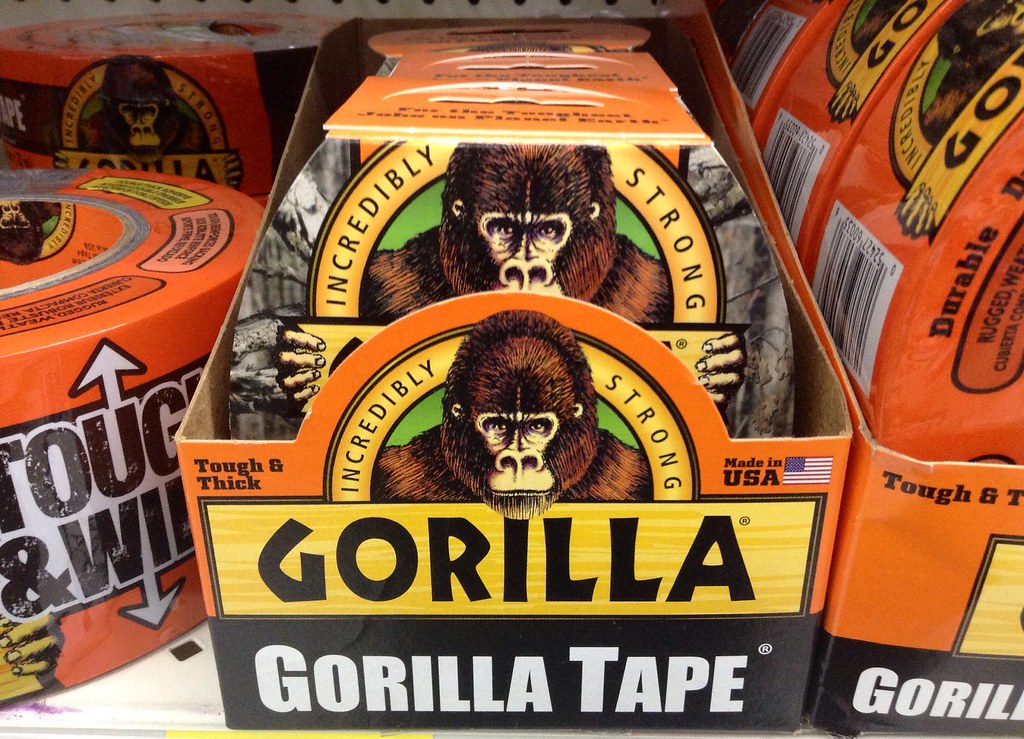
Gorilla Tape display box on a store shelf

A retail display box of Gorilla Tape, the black roll most shops keep on hand. Image: Mike Mozart via Flickr, CC BY 2.0

Duct tape has a reputation for fixing anything. Anyone who has used cheap duct tape knows that is only half true. It peels, it dries out, and it leaves a sticky mess. Gorilla Tape is the heavy-duty alternative that many workshops now keep in the drawer.

We looked at the black 1.88-inch by 35-yard roll, the version most people buy, to see where it beats ordinary duct tape and where it still falls short.

What You Get

A standard roll of Gorilla Tape is 1.88 inches wide and 35 yards long. It has three layers: a tough adhesive on one side, a woven cloth mesh in the middle, and a weather-resistant coating on the outside. The adhesive is thicker than a typical duct tape, and the backing is stiffer.

The black roll is the common one, though the line also includes white, clear, camo, and wider versions. The brand makes a number of related products, so check the label and width before you order.

Stickiness and Strength

The first thing you notice is how well it grabs. Gorilla Tape bonds to rough surfaces such as brick, stucco, wood, and concrete far better than basic duct tape. It also sticks to smooth surfaces like glass and plastic, and it holds at the edges.

The tape is thick and strong. It resists tearing across the width, and you can tear it by hand along the roll, but it takes a firm pull. Scissors are easier for a clean cut. For repairs, a double layer is very strong.

It also handles weather. Many people use it outdoors to patch hose leaks, hold down a tarp, or fix a cracked bucket. The outer coating resists water, and the adhesive keeps working through rain and cold. In very hot sun, the adhesive can get soft, so do not rely on it for a long-term permanent fix.

Gorilla Tape box with the gorilla logo in close view

Close view of the Gorilla Tape box. The roll inside is a thick black cloth-backed tape. Image: Mike Mozart via Flickr, CC BY 2.0

Shop Uses

In a workshop, the uses are endless. Wrapping a loose cord, patching a torn glove, holding a hose to a pipe, taping a sample to a board, bundling cables, marking a floor, and sealing a seam on a cardboard box all work.

It also makes an emergency repair in the garage or on a trip. A cracked plastic handle, a loose bumper, or a torn tent can be held together long enough to get home.

Gorilla Tape Tough and Wide and Clear Repair on a store shelf

Other rolls in the Gorilla line on the same shelf, including a wider tape and a clear repair tape. Image: Mike Mozart via Flickr, CC BY 2.0

The tape leaves residue on some surfaces, especially if it stays on for months. A bit of rubbing alcohol or adhesive remover will clean it. On delicate paint or wallpaper, test a small spot first, or use a different tape for temporary hold.

Where It Falls Short

Gorilla Tape is not cheap compared to basic duct tape. A roll costs about double, and the extra thickness also means a roll goes faster when you wrap generously. For light jobs, ordinary tape is fine.

It is also not a structural fix. Tape holds a repair together temporarily. A leaking pipe under pressure, a car part that carries load, or a safety item needs a proper repair.

The black color is also harder to see when you mark things. For labeling, use a lighter color or masking tape. And once the roll gets old, the adhesive loses strength, so use it within a couple of years.

Tips for Better Results

Surface prep makes the biggest difference. Wipe the surface clean and dry before you apply the tape, and press down firmly with your thumb or a small roller. The adhesive needs pressure to bond, and a good press at the start improves the hold for months.

Tear the tape at a clean angle, or cut it with scissors. A torn edge that frays will peel earlier. For outdoor patches, extend the tape at least an inch beyond the damaged spot on each side, so water cannot get under the edge.

For a stronger repair, wrap the tape fully around the object instead of laying a flat patch. A hose, a handle, or a pole wrapped in overlapping turns will hold much better than a single strip.

Who Should Buy It

If you keep one tape in the shop, make it this one. Homeowners, contractors, campers, and anyone who does repairs will use it often. It is a smart buy for a toolbox, a car trunk, or a boat.

If you only tape boxes now and then, a cheap roll will do. If you want to fix things that tape normally fails on, spend the extra for the real thing.

Pros and Cons

Pros

  • Very strong adhesive that bonds to rough surfaces
  • Thick, tough backing resists tearing
  • Weather-resistant for outdoor use
  • Many uses in the shop and garage
  • Available in several colors and widths

Cons

  • More expensive than basic duct tape
  • Can leave residue on some surfaces
  • Not a permanent structural repair
  • Adhesive softens in extreme heat

Verdict

Gorilla Tape earns its reputation. It sticks where cheap duct tape fails, holds up outdoors, and works for countless small repairs. It is not magic, but it is a very good tape.

Keep a roll in the toolbox and one in the car. The cost is small, and the first time it saves a repair, it pays for itself.

View at Amazon