AboutContactPrivacy PolicyAffiliate DisclosureTerms of Use
Hot News

Klein D213-9NE Lineman Pliers Review

Disclosure: This post contains affiliate links. If you buy through them, we may earn a commission at no extra cost to you. This review is based on research, manufacturer specs and published owner and expert feedback, not hands-on testing.

Klein Tools side-cutting pliers with blue and black handles on concrete

A pair of Klein side-cutting pliers with the ribbed, two-tone handles that Klein is known for. Image: J.C. Fields (Talk) (Uploads) via Wikimedia Commons, CC BY-SA 3.0

Ask a working electrician to name one pair of pliers, and a large share will say Klein. The D213-9NE is the 9-inch high-leverage side-cutting pliers, often called lineman pliers, and it has been the standard cutting and gripping tool on job sites for decades.

We looked at the D213-9NE to see what makes it so common, where it falls short, and who should buy a pair.

A note on the photos: they show Klein side-cutting pliers of the same style from the same family. The D213-9NE has the same general shape and jaw design, and the handle colors differ by model.

What You Get

The D213-9NE is a 9-inch pair of side-cutting pliers with a flat gripping jaw and a thick cutting edge. It is made from forged steel and hardened. The handles have a dipped plastic coating for comfort. That coating is not a safety rating for live work, so for that, buy a model sold as insulated.

The jaws include a gripping surface with a knurled section at the front for pulling wire and flat plates, a round section for bending, and a side cutter that cuts through copper and soft steel. A pair of crimp dies sits near the pivot for crimping connectors.

Leverage and Cutting

The high-leverage design uses a pivot placed closer to the jaws than on ordinary pliers. That multiplies the force you apply, so cutting a thick cable takes much less effort. The cutting edges are hardened so they stay sharp through a lot of use.

You can cut thick copper wire and small steel wire, and many people use them on staples and small nails in a pinch. Check the Klein spec sheet for exact wire limits. For small jobs, such as stripping a wire end or twisting a pair of wires together, the jaws do the work without much strain.

Gripping is strong too. The jaws hold a wire firmly when you pull it through a tight space, and the flat face is good for pulling fish tape or bending sheet metal.

Klein Tools high-leverage side-cutting pliers with yellow and black handles

A Klein high-leverage side-cutting pliers from the manufacturer. The long handles and offset pivot are what give it leverage. Image: Klein Tools via Wikimedia Commons, CC BY-SA 4.0

Everyday Use

On a job, these pliers do many tasks. They twist wires together, cut cable, pull staples, bend conduit straps, and tighten small fittings. They are tough enough to be struck lightly with a hammer for tough bends, though that is not what they are designed for.

Because they are used all day, comfort matters. The handles are shaped well, and the coating gives a good grip even when your hands are damp. A short break from the pliers now and then keeps your hand from getting tired during long jobs.

Klein Tools insulated side-cutting pliers with orange and black handles

The insulated version of the same style, with handles that are rated for working near live circuits. Image: Klein Tools via Wikimedia Commons, CC BY-SA 4.0

A little care goes a long way. Wipe the pliers dry after use and put a drop of oil on the pivot. The tool will last for decades with that simple care.

Where It Falls Short

The D213-9NE is not insulated for live work. Klein sells insulated versions that are tested for high voltage. If you work near energized circuits, buy those instead and follow your local safety rules.

The pliers are also heavy, and a lighter pair is easier to carry in a pocket. The handle coating can wear off with time, and the plastic can crack if the tool is left in hot sun. And the price is higher than a generic brand. You pay for the quality and the name.

Finally, avoid using the pliers as a wrench. The jaw teeth can round off a nut, and the tool is not made for that job.

Alternatives

Knipex makes a well-regarded set of high-leverage pliers and is the usual rival, and several store brands copy the shape at a lower price. The cheaper copies cut and grip fine at first, but the steel and the pivot wear sooner. Many tradespeople buy Klein once and keep the pair for years.

If you want something lighter, look at a 6-inch or 8-inch needle-nose and a separate diagonal cutter. A pair of each is easier to carry than lineman pliers, though it will not match the leverage for heavy wire.

Whatever you buy, learn the safe habits first. De-energize the circuit, test it with a meter, and use insulated tools when the work calls for them. A good tool does not replace safe practice.

Who Should Buy It

Electricians, maintenance staff, and serious DIY wirers will get the most use from this pair. If you do a lot of wire work, the extra cost is justified by how long the pliers last and how long owners report the pliers last.

If you only cut an occasional wire at home, a cheaper pair will do. But if you want a tool you can pass on, Klein is a safe choice.

Pros and Cons

Pros

  • Strong high-leverage cutting action
  • Forged and hardened steel
  • Comfortable, grippy handles
  • Crimping dies built in
  • Trusted by tradespeople for decades

Cons

  • Not insulated for live work
  • Heavier than a general-purpose plier
  • Handle coating can wear
  • Higher price than generic brands

Verdict

The Klein D213-9NE is the pliers that other pliers are measured against. It cuts well, grips firmly, and lasts a long time.

For anyone who works with wire on a regular basis, it is an easy recommendation.

View at Amazon

Leatherman Wave+ Review: The Multi-Tool That Earns Its Pocket Space

Disclosure: This post contains affiliate links. If you buy through them, we may earn a commission at no extra cost to you. This review is based on research, manufacturer specs and published owner and expert feedback, not hands-on testing.

Leatherman Wave multi-tool with the saw, files and pliers opened out

The Leatherman Wave with its tools fanned out: two saws, files, a bottle opener, and the pliers at the center. Image: brian.ch via Flickr, CC BY 2.0

A good multi-tool is the one you actually carry. It has to be small enough for a belt or pocket and strong enough to do real work. The Leatherman Wave+ has been a top pick for years because it hits that balance. It has 18 tools in a full-size body, and the pliers are the main reason people love it.

A note on the photos below: they show the earlier Wave, the tool the Wave+ grew from. The two share the same layout and body, and the Wave+ adds replaceable wire cutters and a few small changes. We describe those differences in the text.

What You Get

The Wave+ is a full-size multi-tool made in Portland, Oregon, with a 25-year warranty from Leatherman. It folds to about 4 inches and weighs roughly 8.5 ounces. The stainless steel handles are strong and a bit heavy for a shirt pocket, so most owners carry it in the included nylon sheath on a belt.

It has 18 tools. The main ones are needlenose and regular pliers, replaceable wire cutters, hard-wire cutters, a knife blade, a serrated blade, a saw, a file, scissors, a bit driver, an awl, a can and bottle opener, and a ruler marked on the handle. Many of the tools are reachable from the outside, so you can open them without opening the pliers.

The Pliers and Cutters

The pliers are the best part of the Wave+. The jaws are strong and the needlenose tips reach into tight places. The built-in wire cutters are replaceable, which means you can change them when they wear out. That is the main upgrade from the earlier Wave.

The pliers grip well, and the handles are shaped so the squeeze does not hurt for a short job. They will not replace a full-size pair of pliers on a hard job, but for fence wire, electrical work, and small repairs, they are more than enough.

Leatherman Wave multi-tool folded open as pliers on a wooden table

The Wave opened into pliers. The stainless handles fold around the tools when closed. Image: Andy / Andrew Fogg via Wikimedia Commons, CC BY 2.0

Knives, Saw, and the Rest

The knife blade is a 420HC stainless steel that holds an edge well and sharpens easily. The serrated blade handles rope and cardboard. The saw is rated for small branches and plastic pipe, and the file smooths edges on metal and wood.

The scissors are spring loaded and open on their own after each cut, and they trim thread, paper, and tape neatly. The bit driver accepts standard bits, so you can swap in a Phillips or flat tip for small screws.

Most blades lock open, which is an important safety feature. The tools flip out one at a time, and the locks are solid. Accessing the tools takes a bit of practice, since the nail nick is small. A little time with the tool shows how each one works.

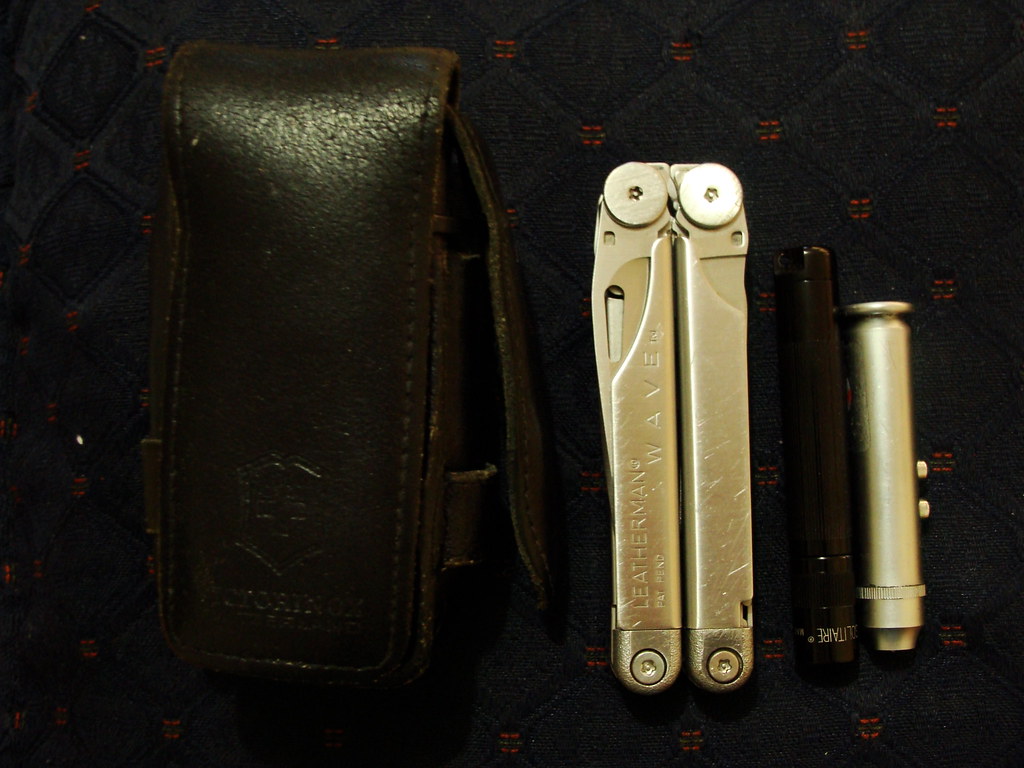
Leatherman Wave in its leather sheath beside a small flashlight

The Wave next to its leather sheath and a pocket light, which shows how compact the tool is when closed. Image: FRANZ 64 via Flickr, CC BY-SA 2.0

Where It Falls Short

It is big. At roughly half a pound, it is a belt tool, not a pocket tool, and it is not allowed in many places such as airplanes and some workplaces. If you need a lighter carry, a smaller Leatherman is a better choice.

It is also expensive compared to basic multi-tools. The price reflects the build quality and the warranty, but a casual user may not need what the Wave+ offers. And as with any multi-tool, the tools are compromises. The saw is short, the screwdriver tips are small, and the handles are not as comfortable as a dedicated tool for long jobs.

How It Compares

The closest rivals are the Leatherman Surge, which is bigger and stronger, and the Victorinox SwissTool, which is a classic with a different design. The Wave+ sits in the middle: easier to carry than the Surge and more capable than a small tool like the Leatherman Wingman. For many people, that is the right balance.

If you are choosing a color, stainless is the standard finish, and black is a coated version that looks darker. The tools are the same in both.

Care and Carry

Stainless steel does not rust easily, but the tool still needs care. Rinse off salt, sand, and mud, dry the tool, and put a drop of light oil on the pivots. The joints stay smooth for many years with that routine.

Sharpen the knife with a small stone and a light touch. Use a pocket sharpener for the serrated edge, and keep the blades clean so they open freely. Check that the pliers close evenly and that the locks hold.

Think about where you carry it. A belt sheath keeps the weight off your pocket, and a small pouch in a backpack protects the tool and your other gear. Most people find that carrying it every day teaches them how often a good tool helps.

Who Should Buy It

This is a great tool for campers, DIY fans, tradespeople, and anyone who wants a single tool for small fixes on the go. It is also a great gift, since the warranty gives peace of mind.

If you carry a tool for light jobs only, or if you travel by air often, a smaller model will suit you better.

Pros and Cons

Pros

  • Strong pliers with replaceable wire cutters
  • 18 tools in one body
  • Most blades lock and are accessible from outside
  • Made in the USA with a 25-year warranty
  • Good balance of size and capability

Cons

  • Heavy for a pocket
  • Expensive for casual use
  • Not allowed in many places
  • Tool nicks are small and take practice

Verdict

The Leatherman Wave+ is a sturdy, well-made multi-tool that earns its place on a belt or in a bag. The pliers are excellent, the tools are useful, and the warranty is solid.

If you want one tool that handles many small jobs, this is a top pick.

View at Amazon

Rust-Oleum Stops Rust Gloss Black Spray Paint Review: Protecting Metal the Easy Way

Disclosure: This post contains affiliate links. If you buy through them, we may earn a commission at no extra cost to you. This review is based on research, manufacturer specs and published owner and expert feedback, not hands-on testing.

Rust-Oleum Stops Rust Gloss Protective Enamel spray cans on a shelf

Rust-Oleum Stops Rust Gloss Protective Enamel spray cans. The white label and yellow Stops Rust seal are the same across colors. Image: Mike Mozart via Flickr, CC BY 2.0

Metal rusts. Garden chairs, tool boxes, railings, and bike frames all turn orange given enough time and moisture. Rust-Oleum Stops Rust is a spray enamel made to cover metal and keep the rust from coming back, and the gloss black can is one of the most common cans in the workshop.

We looked at how it applies, how well it holds up, and what you should do to get a good finish.

What You Get

The can holds 12 ounces of oil-based alkyd enamel in a spray. It is sold in many colors and finishes, including gloss, satin, and flat. The 7779830 is the gloss black version. The label says it protects against rust and can be applied directly to metal, including lightly rusted surfaces after the loose rust has been removed.

Rust-Oleum also sells a Stops Rust line in brush-on and spray versions, and a separate rust converter. Make sure the can you order is the spray enamel, since similar names cover different products.

Applying It

A good result depends on preparation. Scrape or wire-brush off loose rust and flaking paint. Wipe the surface to remove oil and dirt. Shake the can for a full minute after you hear the ball rattle, then spray from about 10 to 16 inches away in light, overlapping coats.

Two thin coats look better than one heavy coat. Heavy coats run and sag. Let the first coat dry to the touch, usually in about 20 minutes, before applying the second. The paint is dry to handle in about an hour, and fully hard in a day or more depending on temperature and humidity.

Spray in a ventilated area and wear a mask rated for paint vapors. Keep it off nearby surfaces, because overspray travels. Cardboard or a drop cloth under the work keeps the floor clean.

Rust-Oleum Stops Rust spray cans in tan and metallic colors

The same line in tan and metallic finishes. Gloss black, the color most people buy, uses the same label. Image: Mike Mozart via Flickr, CC BY 2.0

How It Looks and Holds Up

The gloss black finish is smooth and deep when applied well. It hides minor surface flaws and gives a clean, finished look to old metal. On fences, railings, and furniture, it can make worn pieces look new again.

Durability is good for the price. The paint holds up to light weather and handling, and it resists chipping better than cheap paint. For outdoor pieces that face strong sun and rain every day, expect to touch it up every few years.

The finish is not as hard as powder coating or two-part paint. It can scratch when hit, and chips will let rust return at the edge. Touch up small chips quickly to keep the protection.

Blue and white Rust-Oleum Stops Rust spray paint cans lined up

Cans in blue and white. The color of the cap and the paint inside changes, but the formula is the same. Image: Mike Mozart via Flickr, CC BY 2.0

Where It Falls Short

The product is not magic on heavily rusted metal. Thick, scaly rust needs to be removed first, or the paint will flake with it. For rust that has eaten through the metal, paint cannot fix it.

The spray also takes practice. A fresh can sprays evenly, but near the end the spray can sputter. Tip the can upside down and spray for a second after each job to clear the nozzle, and the can will work next time.

Finally, the smell is strong, and the can is flammable. Keep it away from open flames, and let the work air out before bringing it indoors.

Tips for a Clean Finish

Temperature and humidity matter. Paint when the air is between 50 and 90 degrees Fahrenheit and the humidity is low. Cold weather slows the cure and can cause a cloudy finish. A damp day can trap moisture under the paint and cause bubbles.

Hang small parts from a wire so you can reach every side, and spray in a sweeping motion that starts before the part and ends after it. That avoids heavy spots at the start and end of each pass.

If you want extra protection, add a coat of clear enamel on top. It adds a harder surface and gives a deeper shine. Let the color coat cure for a day first, so the clear coat does not wrinkle it.

Who Should Buy It

If you restore old tools, repaint patio furniture, or protect metal gates and tool boxes, this is a good value. It is easy to find, easy to use, and priced for general work.

If you are painting something that gets heavy wear, like a vehicle frame or a work bench top, look at a harder coating. For most home projects, the Stops Rust enamel is plenty.

Pros and Cons

Pros

  • Applies directly to metal, including lightly rusted surfaces
  • Smooth, deep gloss finish
  • Good coverage for the price
  • Available in many colors and finishes
  • Easy to find in most stores

Cons

  • Needs surface prep for best results
  • Not as hard as powder coating
  • Strong smell and flammable
  • Spray can sputter near the end

Verdict

Rust-Oleum Stops Rust Gloss Black is a dependable can for protecting and refreshing metal. With proper prep and two thin coats, it gives a clean look and solid protection.

For garden furniture, railings, tools, and small projects, it is a practical and affordable choice.

View at Amazon

WD-40 Multi-Use Product Review: Is the Famous Blue and Yellow Can Still Worth It?

Disclosure: This post contains affiliate links. If you buy through them, we may earn a commission at no extra cost to you. This review is based on research, manufacturer specs and published owner and expert feedback, not hands-on testing.

Row of WD-40 Multi-Use Product cans with red Smart Straw caps on a store shelf

WD-40 Multi-Use Product cans with the red Smart Straw cap. The yellow and blue label is hard to miss. Image: Mike Mozart via Flickr, CC BY 2.0

Almost everyone owns a can of WD-40. It sits under a sink or on a garage shelf, and it comes out when something squeaks or sticks. The can has been around for decades, and its fans claim it fixes nearly anything. We looked at the 12-ounce Smart Straw version to see what it really does and what it does not.

The short answer is that it is a great product when used for what it was made for, and a poor one when used as a lubricant for everything.

What You Get

The Original Formula WD-40 Multi-Use Product comes in a 12-ounce aerosol can with a Smart Straw attached to the cap. The straw flips up for a narrow, precise stream or can be flipped to the side for a wide spray. The older design used a loose red straw that always got lost, so the attached straw is a real improvement.

The name stands for Water Displacement, 40th formula. The product was made to displace moisture and prevent rust. Over time it became a household name for loosening stuck parts and quieting squeaks.

What It Does Well

WD-40 is good at loosening rusty bolts and stuck parts. Spray it on a seized nut, wait a few minutes, and the nut often turns. It cleans light grease and adhesive from surfaces and removes stickers and tape residue. It displaces moisture, so spraying it on a wet tool or a damp electrical contact helps dry it out.

It also protects bare metal from rust for a short time. A thin coat on hand tools, saw tables, and garden shears keeps surface rust away during storage. For a drawer of tools in a humid shed, it is a handy option.

On door hinges, window tracks, and squeaky hardware, it quiets the noise right away. The effect is quick, which is why people love it.

Close view of the WD-40 label showing Sprays 2 Ways

A close view of the label, which advertises the Smart Straw that sprays two ways. Image: Mike Mozart via Flickr, CC BY 2.0

What It Does Not Do Well

Here is where the myth breaks down. WD-40 is not a long-term lubricant. The product is mostly a light solvent with a small amount of oil. It evaporates over time, and the squeak returns. For bike chains, door locks, and sliding parts that need lasting lubrication, a dedicated lube works better.

It is also not a good choice for some surfaces. On rubber or certain plastics, it can cause damage over time. On a bike chain, it attracts dirt. In a lock cylinder, it can gum up the pins over time. Use graphite or a lock lubricant there.

On a paintable surface, remove the residue first. Paint will not stick to an oily surface, and the oil spreads easily.

WD-40 cans with Smart Straw lined up on a hardware store shelf

The same cans from the front. The straw clips to the cap for a narrow stream or flips up for a wide fan. Image: Mike Mozart via Flickr, CC BY 2.0

Safety and Handling

The can is flammable, so keep it away from sparks, open flames, and hot surfaces. Use it in a ventilated space, and do not spray it on a hot engine. Wear eye protection when spraying overhead, since the fine mist can drift.

Keep it away from children. The label warns about inhalation and skin contact. Wash your hands after use, and store the can in a cool place.

Better Ways to Use It

Spray a short burst and wait. Penetrating oil needs time to creep into threads. For a stuck bolt, spray, tap the head lightly with a hammer, wait ten minutes, and try again. Repeat if needed. Patience works better than force and saves a lot of broken bolts.

For cleaning, spray a rag instead of the surface when you work near finished wood or electronics. Wipe the residue afterward with a clean cloth and soapy water. For stickers, spray, wait a minute, and scrape with a plastic card.

For rust prevention on tools, wipe off the excess after spraying. A thin film protects, and a heavy film attracts dust. Store the tools in a dry box if you can, since no spray replaces dry storage.

Who Should Buy It

Everyone with a toolbox should have one can. It is useful for loosening rusted parts, removing sticker residue, and protecting tools from rust. The Smart Straw version is easier to use than the older cans, and a single can lasts a long time for ordinary use.

Just do not expect it to be the only product you need. Add a white lithium grease for hinges and slides, a chain lube for bikes, and a dry lube for locks. Then use WD-40 for what it does best.

Pros and Cons

Pros

  • Loosens rusted and stuck fasteners
  • Displaces moisture and protects bare metal briefly
  • Attached Smart Straw is easy to aim
  • Quiets squeaks fast
  • Cheap and widely available

Cons

  • Not a lasting lubricant
  • Can attract dirt on chains and sliders
  • Flammable aerosol
  • Residue interferes with paint and glue

Verdict

WD-40 deserves its place in the toolbox. It is a good rust fighter, a quick cleaner, and a fast fix for squeaks. It is a poor lubricant for long-term use, and that is where the myths mislead people.

Buy a can, use it for what it does well, and add a proper lubricant for the rest.

View at Amazon

Gorilla Tape Black Review: The Heavy Duty Roll That Replaces Duct Tape

Disclosure: This post contains affiliate links. If you buy through them, we may earn a commission at no extra cost to you. This review is based on research, manufacturer specs and published owner and expert feedback, not hands-on testing.

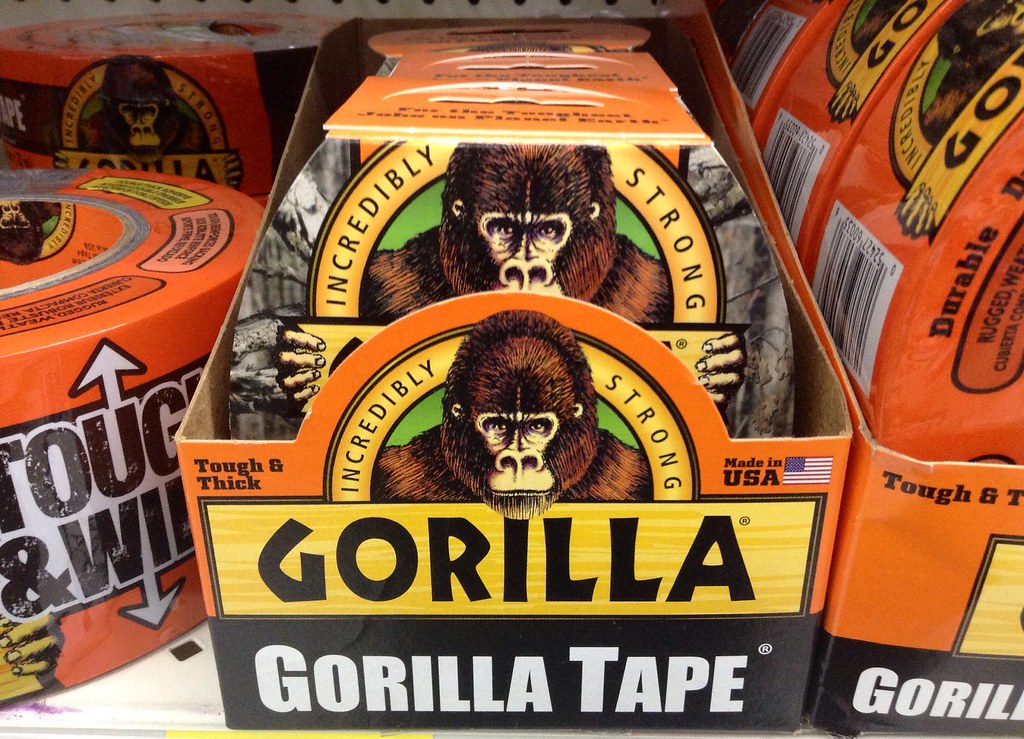
Gorilla Tape display box on a store shelf

A retail display box of Gorilla Tape, the black roll most shops keep on hand. Image: Mike Mozart via Flickr, CC BY 2.0

Duct tape has a reputation for fixing anything. Anyone who has used cheap duct tape knows that is only half true. It peels, it dries out, and it leaves a sticky mess. Gorilla Tape is the heavy-duty alternative that many workshops now keep in the drawer.

We looked at the black 1.88-inch by 35-yard roll, the version most people buy, to see where it beats ordinary duct tape and where it still falls short.

What You Get

A standard roll of Gorilla Tape is 1.88 inches wide and 35 yards long. It has three layers: a tough adhesive on one side, a woven cloth mesh in the middle, and a weather-resistant coating on the outside. The adhesive is thicker than a typical duct tape, and the backing is stiffer.

The black roll is the common one, though the line also includes white, clear, camo, and wider versions. The brand makes a number of related products, so check the label and width before you order.

Stickiness and Strength

The first thing you notice is how well it grabs. Gorilla Tape bonds to rough surfaces such as brick, stucco, wood, and concrete far better than basic duct tape. It also sticks to smooth surfaces like glass and plastic, and it holds at the edges.

The tape is thick and strong. It resists tearing across the width, and you can tear it by hand along the roll, but it takes a firm pull. Scissors are easier for a clean cut. For repairs, a double layer is very strong.

It also handles weather. Many people use it outdoors to patch hose leaks, hold down a tarp, or fix a cracked bucket. The outer coating resists water, and the adhesive keeps working through rain and cold. In very hot sun, the adhesive can get soft, so do not rely on it for a long-term permanent fix.

Gorilla Tape box with the gorilla logo in close view

Close view of the Gorilla Tape box. The roll inside is a thick black cloth-backed tape. Image: Mike Mozart via Flickr, CC BY 2.0

Shop Uses

In a workshop, the uses are endless. Wrapping a loose cord, patching a torn glove, holding a hose to a pipe, taping a sample to a board, bundling cables, marking a floor, and sealing a seam on a cardboard box all work.

It also makes an emergency repair in the garage or on a trip. A cracked plastic handle, a loose bumper, or a torn tent can be held together long enough to get home.

Gorilla Tape Tough and Wide and Clear Repair on a store shelf

Other rolls in the Gorilla line on the same shelf, including a wider tape and a clear repair tape. Image: Mike Mozart via Flickr, CC BY 2.0

The tape leaves residue on some surfaces, especially if it stays on for months. A bit of rubbing alcohol or adhesive remover will clean it. On delicate paint or wallpaper, test a small spot first, or use a different tape for temporary hold.

Where It Falls Short

Gorilla Tape is not cheap compared to basic duct tape. A roll costs about double, and the extra thickness also means a roll goes faster when you wrap generously. For light jobs, ordinary tape is fine.

It is also not a structural fix. Tape holds a repair together temporarily. A leaking pipe under pressure, a car part that carries load, or a safety item needs a proper repair.

The black color is also harder to see when you mark things. For labeling, use a lighter color or masking tape. And once the roll gets old, the adhesive loses strength, so use it within a couple of years.

Tips for Better Results

Surface prep makes the biggest difference. Wipe the surface clean and dry before you apply the tape, and press down firmly with your thumb or a small roller. The adhesive needs pressure to bond, and a good press at the start improves the hold for months.

Tear the tape at a clean angle, or cut it with scissors. A torn edge that frays will peel earlier. For outdoor patches, extend the tape at least an inch beyond the damaged spot on each side, so water cannot get under the edge.

For a stronger repair, wrap the tape fully around the object instead of laying a flat patch. A hose, a handle, or a pole wrapped in overlapping turns will hold much better than a single strip.

Who Should Buy It

If you keep one tape in the shop, make it this one. Homeowners, contractors, campers, and anyone who does repairs will use it often. It is a smart buy for a toolbox, a car trunk, or a boat.

If you only tape boxes now and then, a cheap roll will do. If you want to fix things that tape normally fails on, spend the extra for the real thing.

Pros and Cons

Pros

  • Very strong adhesive that bonds to rough surfaces
  • Thick, tough backing resists tearing
  • Weather-resistant for outdoor use
  • Many uses in the shop and garage
  • Available in several colors and widths

Cons

  • More expensive than basic duct tape
  • Can leave residue on some surfaces
  • Not a permanent structural repair
  • Adhesive softens in extreme heat

Verdict

Gorilla Tape earns its reputation. It sticks where cheap duct tape fails, holds up outdoors, and works for countless small repairs. It is not magic, but it is a very good tape.

Keep a roll in the toolbox and one in the car. The cost is small, and the first time it saves a repair, it pays for itself.

View at Amazon

Dremel 3000 Rotary Tool Kit Review: The Small Tool That Does a Hundred Jobs

Disclosure: This post contains affiliate links. If you buy through them, we may earn a commission at no extra cost to you. This review is based on research, manufacturer specs and published owner and expert feedback, not hands-on testing.

Hand holding a Dremel 3000 rotary tool with a flex shaft and a small drill bit

The Dremel 3000 with a flex shaft attached, held like a pen for fine work. Image: Gareth Halfacree from Bradford, UK via Wikimedia Commons, CC BY-SA 2.0

Some tools do one thing well. The Dremel 3000 does a little of everything. It sands, cuts, grinds, carves, polishes, and engraves, and it does it with a few dollars of accessories. It is the most common rotary tool in home workshops, and the 3000-1/25 kit is the version most people start with.

We looked at what the 3000 is good at, where it struggles, and what you should know before you buy the kit.

What You Get

The Dremel 3000 is a corded rotary tool with variable speed from 5,000 to 35,000 rpm. A dial near the top sets the speed. The 3000-1/25 kit adds one attachment and 25 accessories, which usually include cutting wheels, sanding drums, grinding stones, and a polishing tip. A small case holds the lot.

The motor is a 1.2 amp unit, which is enough for hobby and home use. It will not match a professional die grinder, but it is strong enough to cut thin metal, shape wood, and remove rust. The collet takes bits with a 1/8-inch shank, and Dremel and many other brands make accessories for it.

Fine Control

Owners often praise the slim, pen-style body. The body is slim and balanced, so you can hold it like a pen. That makes detail work possible: engraving a name on a tool, cleaning the burr off a cut edge, or shaping a small notch in a piece of wood.

A flex shaft attachment turns the tool into a hanging handpiece for even finer control. It takes a little practice, but it reduces fatigue on long jobs and lets you reach cramped spots.

The variable speed matters more than it sounds. Plastic melts at high speed, and wood burns. Metal wants a faster speed. The dial lets you match the speed to the material and avoids ruined work.

Dremel 3000 rotary tool standing upright in its stand

The 3000 standing in its base. The slim body and the dial near the top are the main controls. Image: Gareth Halfacree from Bradford, UK via Wikimedia Commons, CC BY-SA 2.0

Everyday Jobs

Around the house, the 3000 earns its place quickly. It sharpens a lawn mower blade in minutes with a grinding stone. It cuts off a rusted bolt with a cutting wheel. It removes old grout from a tile line. It cleans corrosion from battery terminals and trims a door that sticks.

In the shop, a sanding drum smooths the inside of a curved cutout, and a small router bit makes a decorative groove. Model makers and hobbyists use it to carve foam and shape plastic. Jewelry and craft work are common uses too.

Cutting wheels are brittle and can shatter, so always wear safety glasses. Dremel recommends light pressure and letting the speed do the cutting. Pushing hard burns the work and wears the accessory out quickly.

Dremel 3000 kit with attachments and accessories laid out

A Dremel 3000 kit with its attachments, flex shaft, and accessory case laid out together. Image: Gareth Halfacree from Bradford, UK via Wikimedia Commons, CC BY-SA 2.0

Where It Falls Short

The 3000 is a light tool. It is not good at heavy cutting, and the thin wheels wear out fast on thick steel. Long jobs make the motor warm, and the tool is louder than you expect. Ear protection is a good idea.

The cord is short on some kits, and the speed dial can be knocked by accident. The plastic body is solid but not built for abuse. A fall onto concrete can crack it.

Also, the kit accessories are basic. Many people end up buying better wheels and bits. The tool is fine, but the extras are where the upgrade money goes.

Accessories and Tips

The accessories decide what the tool can do, so choose them with care. Cutting wheels are for thin metal and plastic. Sanding drums shape wood and smooth edges. Grinding stones sharpen blades and clean welds. Felt polishing tips and compound bring up a shine on metal and stone. Diamond wheels cut tile and glass.

Use the lowest speed that gets the job done, and let the accessory do the work. A light touch makes cleaner cuts and keeps the bits from wearing out. Hold the tool with both hands for stable control, and clamp the work whenever you can.

Also keep the vents clear. Dust from sanding clogs the air path and heats the motor. Blow the tool out with compressed air after a dusty job, and it will last longer. Buy a small organizer for the bits, since loose accessories vanish quickly.

Who Should Buy It

The Dremel 3000 is a great first rotary tool. Hobbyists, homeowners, model builders, and anyone who needs small and precise work will get a lot of use from it. It is also a good gift for someone starting a workshop.

If you want to cut a lot of metal, grind welds, or do all-day shaping, a die grinder or an oscillating tool is a better choice. The Dremel is best at small jobs, and that is where it shines.

Pros and Cons

Pros

  • Slim, balanced, and easy to control
  • Variable speed from 5,000 to 35,000 rpm
  • Huge range of accessories from many brands
  • Good kit value for beginners
  • Flex shaft available for detail work

Cons

  • Not built for heavy cutting
  • Loud under load
  • Kit accessories are basic
  • Plastic body can crack if dropped

Verdict

The Dremel 3000 is a fine all-round small tool that costs little and does many jobs. It will not replace a grinder, but for detail work around the house and shop, it is hard to beat.

If you have never owned a rotary tool, start with the 3000-1/25 kit. You will find uses for it within a week.

View at Amazon

Fluke 87V Digital Multimeter Review: The Meter Pros Still Trust

Disclosure: This post contains affiliate links. If you buy through them, we may earn a commission at no extra cost to you. This review is based on research, manufacturer specs and published owner and expert feedback, not hands-on testing.

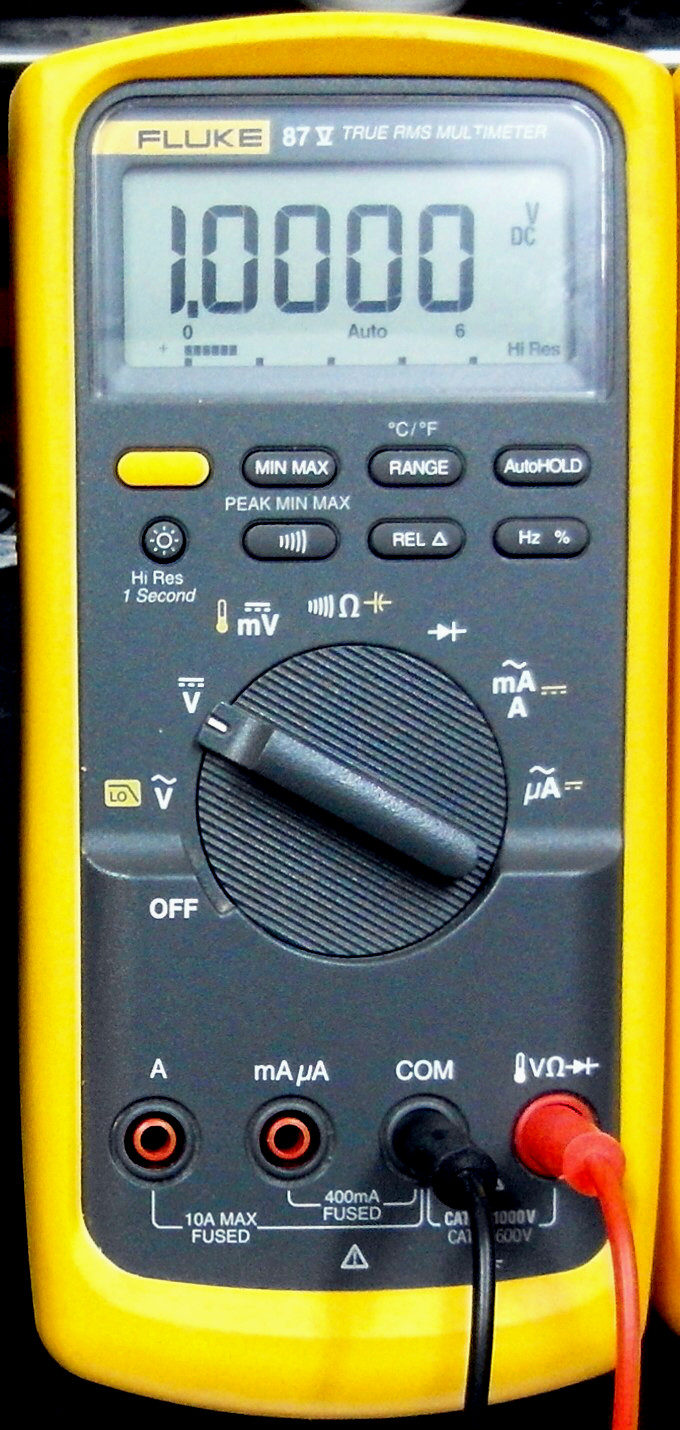
Fluke 87V digital multimeter with test leads attached

The Fluke 87V with its yellow holster, large display, and rotary dial. Image: Binarysequence via Wikimedia Commons, CC BY-SA 3.0

A multimeter is one of those tools where the cheap version works until the day it does not. The Fluke 87V is the opposite of cheap. It costs several times more than a basic meter, and it has been a standard in electrical, HVAC, and industrial work for decades.

We looked at what the extra money buys, what the 87V does that a budget meter cannot, and who really needs one.

What You Get

The 87V is a true-RMS digital multimeter rated for CAT III 1000 V and CAT IV 600 V environments. In plain terms, it is built for work in panels and equipment where a surge can be dangerous. The kit includes test leads, alligator clips, and a temperature probe, plus a protective yellow holster.

It measures AC and DC voltage and current, resistance, capacitance, frequency, duty cycle, and temperature. It also has a diode test and a continuity beeper. Features that are rare on budget meters include a min/max/average recording mode and a low-pass filter for measuring variable-speed drive output.

Accuracy and Readability

True-RMS means the meter measures the real heating value of an AC waveform even when it is not a clean sine wave. Many cheap meters assume a sine wave and give wrong readings on modern electronics, dimmers, and motor drives. The 87V reads those correctly.

The display is large, with a backlight, and the dial is easy to read. Digits are steady and the meter responds fast. For testing a circuit, you see the number settle quickly, which saves time and avoids doubt.

Accuracy on DC volts is rated at 0.05 percent, which is far better than the typical 0.5 percent of a budget meter. For most home work, that difference does not matter. For calibration, electronics repair, and industrial troubleshooting, it does.

Fluke 87 III true RMS multimeter reading on a panel

A Fluke 87 series meter on a bench. The display and dial layout is the same family as the 87V. Image: Steve C via Wikimedia Commons, CC BY 2.0

Safety and Build

The safety rating is the real reason many professionals pay the price. The meter has fused inputs, shrouded jacks, and an internal design tested to resist a surge. A cheap meter with no real rating can fail badly if you measure a live panel and a spike comes through.

The holster protects against drops, and the case is tough. Many 87 series meters have worked for 20 years or more with only battery changes. The test leads are good quality, though the included clips are basic.

Front view of a Fluke 87 multimeter

The front panel of a Fluke 87 meter. Buttons sit above the dial and the input jacks are at the bottom. Image: Alex P. Kok via Wikimedia Commons, CC BY-SA 4.0

Fluke also offers a calibration service, so a meter can be certified again and kept in service for a long time. That is another reason the cost spreads out over years.

Where It Falls Short

The 87V is large and heavy compared to a pocket meter. It does not fit in a shirt pocket, and the holster adds more bulk. For quick checks in a house, it is more meter than you need.

It also has no wireless connection or app logging in this version. Newer Fluke models add Bluetooth and data logging. If you want to record readings to a phone, look at a newer model.

And of course, the price is high. A solid mid-range meter costs a fraction of the 87V and handles most household jobs. Only buy this one if you need its accuracy, its safety rating, or its professional features.

How It Compares

The main alternative is a mid-range meter from brands like Klein, Extech, or Amprobe. They cost much less and cover the basics. Many are accurate enough for household work, and some include a safe CAT III rating. What they do not match is the long-term durability, the fast display response, and the extra functions of the Fluke 87V.

Some people also consider a clamp meter, which measures current without breaking the circuit. A clamp meter is a good addition for electricians, but it does not replace a full multimeter for resistance, capacitance, or low-voltage electronics.

A practical note: buy genuine Fluke from an authorized seller. Counterfeit meters exist, and a fake meter with a false safety rating is a real hazard. Check the seller and the packaging before you rely on one in a live panel.

Who Should Buy It

Electricians, HVAC technicians, maintenance workers, and serious electronics hobbyists get the most from the 87V. If you test live panels, work with motor drives, or need trusted readings, it pays for itself in confidence and long service life.

A homeowner who checks outlets and batteries a few times a year can buy a cheaper meter. Just make sure that any meter you use on mains has a proper CAT rating from a reputable brand.

Pros and Cons

Pros

  • True-RMS accuracy on non-sinusoidal signals
  • CAT III 1000 V and CAT IV 600 V rating
  • Fast, steady, easy-to-read display
  • Built to last for many years
  • Min/max and low-pass filter for advanced work

Cons

  • Expensive compared to general-use meters
  • Large and heavy for pocket use
  • No wireless logging in this version
  • Overkill for basic household checks

Verdict

The Fluke 87V is the meter you buy once. It is accurate, safe, and tough, and the professional features justify the price for people who depend on their readings.

For casual home use, a cheaper meter is enough. For anyone who works with electricity for a living or as a serious hobby, the 87V is a sound investment.

View at Amazon